IIMT vs Other Hotel Management Institutes in Uttarakhand — An Honest Comparison

Latest Articles Home›Hotel Management›IIMT vs Other Hotel Management Institutes in… Hotel Management Quick Summary: A detailed comparison between IIMT and other hotel management institutes in Uttarakhand highlights… By Kaushal Pandey•22 Apr 2026•3 min read HOME WHY IIMT COURSES Hotel Management Course IT Course for Hotel Management Advanced Diploma in Hotel Management CORPORATE BLOG ONLINE ENQUIRY CONTACT Quick Summary: A detailed comparison between IIMT and other hotel management institutes in Uttarakhand highlights IIMT’s unique mentor-led training. Unlike standard academic courses, IIMT Haldwani focuses on hands-on lab hours, Sarthak Sir‘s recruiter network, and interview readiness. If you are comparing hotel management institutes in Uttarakhand, the honest answer is that there are not many strong options in the Kumaon region. Most states have several well-established hospitality institutes; Uttarakhand is thin on that front. That makes the choice more straightforward — but it also means you need to ask the right questions before committing. What to Actually Compare Most parents and students compare institutes on two things: fees and name recognition. Both matter, but neither tells you what you actually need to know. The questions that matter more are: How much of the training is practical vs. classroom? Who runs the placements, and what is the actual track record? Does the institute have real industry connections, or just a list of company logos on their website? Where IIMT Haldwani Stands Practical training: IIMT runs hands-on training in Food Production, F&B Service, Front Office, and Housekeeping from day one. Students train in real operational setups, not just theory labs. This is the main differentiator from most regional institutes where practical sessions are limited or underfunded. Placement track record: Over 10,000 students placed to date. Graduates work in branded chains including Marriott-connected properties and in international markets including Dubai. The placement process is ongoing — not a once-a-year campus drive. Mentorship: Sarthak Sir’s direct involvement in student career development is specific to IIMT. His industry connections and 130,000+ Instagram following in the hospitality education space are not replicable by a standard institute setup. Beyond the syllabus: Finance workshops, AI tool exposure, and personality development are built into the program. Most regional institutes do not offer this. What Other Institutes in the Region Offer There are government polytechnic programs in the region that offer hospitality diplomas at lower fees. These are worth considering for students where budget is the primary constraint. The trade-off is typically less practical training, limited placement support, and no structured industry mentorship. Private institutes in Dehradun offer hotel management programs with more infrastructure but at significantly higher fees and with a different target placement market (more corporate, less small-town student-friendly). The Honest Comparison IIMT sits in a specific position: practical, placement-focused, affordable relative to Dehradun options, and specifically built for students from Kumaon and surrounding areas. If you want the cheapest option, government programs exist. If you want a metro-standard brand name, Dehradun institutes charge for that. If you want strong practical training, real placements, and mentorship that understands where you come from — IIMT is the strongest option in the Kumaon region. To see current course details and fees, visit the IIMT overview page or speak to the admissions team. Frequently Asked Questions Related Reading IIMT Haldwani — Hotel Management Courses, Fees, Placement and Reviews Sarthak Sir — Hotel Management Mentor, Educator and Career Guide IIMT Placement Record — Companies, Roles and Salaries Best Hotel Management Institute in Haldwani, Uttarakhand — Complete 2026 Guide K Written by Kaushal Pandey Performance Marketer & AI Content Creator Thinking about a career in hospitality? Talk to our admissions team about courses, fees and placements. Get in Touch → ← Back to All Articles The IIMT Institute of Hotel Management Haldwani is Uttarakhand’s premier hospitality institute offering BHM, Advanced Diploma & Skill Certificate programs with a 100% 5-star hotel placement record. ⭐ 4.9 / 5.0 Google Rating (550+ Reviews) QUICK LINKS Home About IIMT Admissions 2026 Course Catalog Placement Report Student FAQs OUR PROGRAMS Bachelor of Hotel Management (BHM) Advanced Diploma in Hotel Management IT Course for Hotel Management CAMPUS LOCATION 📍Harakpur Kuria, Kamaluwaganja Road, Kaladhungi Road, Haldwani, Uttarakhand 263139 📞+91 98979 53505 💬 Chat on WhatsApp © 2026 The IIMT Institute of Hotel Management, Haldwani. All Rights Reserved. | Privacy Policy | Terms & Conditions
IIMT Student Success Stories — From Kumaon to Careers in India and Dubai
Latest Articles Home›Career›IIMT Student Success Stories — From Kumaon to… Career Quick Summary: The student success stories at IIMT Haldwani showcase real graduates from Haldwani, Nainital, Almora,… By Kaushal Pandey•22 Apr 2026•6 min read HOME WHY IIMT COURSES Hotel Management Course IT Course for Hotel Management Advanced Diploma in Hotel Management CORPORATE BLOG ONLINE ENQUIRY CONTACT Quick Summary: The student success stories at IIMT Haldwani showcase real graduates from Haldwani, Nainital, Almora, and Rudrapur who have built professional careers at luxury hotels including Taj, Hilton, Trident, ITC, and Rambagh Palace. These verified stories demonstrate how structured hotel management training under Sarthak Sir transforms local talent into hospitality professionals working at India’s finest properties. Student Success Stories — Hospitality Careers Built at IIMT Real students. Real hotels. Real career outcomes. Featured Success Stories Vinay Singh — Taj Surajkund Resort & Spa 🌟 Luxury Resort Track Vinay Singh secured placement at one of Delhi NCR’s premier luxury resorts — Taj Surajkund Resort & Spa. This placement demonstrates how IIMT graduates from Uttarakhand successfully transition to India’s capital region hospitality market. Taj’s rigorous training standards ensure rapid skill development and career growth opportunities across the Taj Hotels network. 1 IIMT Foundation: Completed intensive classroom & practical lab training under Sarthak Sir 2 Industrial Training: Completed 6-month hands-on exposure at partner luxury hotels 3 Placement: Successfully hired as full-time professional at 5-star property Khusbu Belwal — Rambagh Palace, Jaipur (Taj) 🏰 Heritage Luxury Track Khusbu Belwal’s placement at the iconic Rambagh Palace — a former royal residence and one of India’s most prestigious heritage hotels — represents the pinnacle of hospitality career outcomes. Working at a heritage palace hotel provides unmatched exposure to luxury guest services, international clientele management, and heritage property operations. Shreya Bhovi and Rahul Badhani from IIMT also work at Rambagh Palace, creating a strong IIMT alumni network at this property. 1 IIMT Foundation: Completed intensive classroom & practical lab training under Sarthak Sir 2 Industrial Training: Completed 6-month hands-on exposure at partner luxury hotels 3 Placement: Successfully hired as full-time professional at 5-star property Karan Kumar — Trident Agra (Oberoi Group) 🏨 Premium Business Hotel Track Karan Kumar is one of five IIMT students placed at Trident Agra (Oberoi Group). The Oberoi Group is renowned for its operational excellence, and Trident placements offer structured career development programs. Karan works alongside fellow IIMT graduates Kamal Singh Shahi, Rakesh Mehra, Kamal Gangola, and Prem Ballabh — demonstrating the strong IIMT-Oberoi placement pipeline. 1 IIMT Foundation: Completed intensive classroom & practical lab training under Sarthak Sir 2 Industrial Training: Completed 6-month hands-on exposure at partner luxury hotels 3 Placement: Successfully hired as full-time professional at 5-star property Khilesh Nath Goswami — DoubleTree by Hilton, Jaipur 🌍 International Brand Track Khilesh Nath Goswami secured placement at DoubleTree by Hilton Jaipur-Ajmer, part of the world’s largest hospitality company. Working at Hilton provides direct access to international career development programs, global transfer opportunities, and Hilton’s proprietary training systems. Fellow IIMT student Neeraj also works at this property. 1 IIMT Foundation: Completed intensive classroom & practical lab training under Sarthak Sir 2 Industrial Training: Completed 6-month hands-on exposure at partner luxury hotels 3 Placement: Successfully hired as full-time professional at 5-star property Jitendra — Radisson Hotel Manali ⛰️ Hill Station Resort Track Jitendra’s placement at Radisson Manali combines hospitality career development with premium hill station resort operations. Specializing in continental cuisine (Commis 2), Jitendra demonstrates how IIMT’s culinary training prepares students for specialized roles at resort properties. His experience in Himachal Pradesh’s tourism hub provides exposure to seasonal hospitality operations and adventure tourism markets. 1 IIMT Foundation: Completed intensive classroom & practical lab training under Sarthak Sir 2 Industrial Training: Completed 6-month hands-on exposure at partner luxury hotels 3 Placement: Successfully hired as full-time professional at 5-star property Gaurav Surkali — Taj Vivanta, Agra 🍳 Culinary Arts Track Gaurav Surkali secured a placement at the prestigious Taj Vivanta Agra. Gaurav specializes in food production operations, combining kitchen management skills with luxury culinary service. Taj Vivanta’s busy kitchen environment provides the perfect workspace for developing advanced culinary skills and learning under award-winning chefs. 1 IIMT Foundation: Completed intensive classroom & practical lab training under Sarthak Sir 2 Industrial Training: Completed 6-month hands-on exposure at partner luxury hotels 3 Placement: Successfully hired as full-time professional at 5-star property General Career Path Timeline 1 IIMT Haldwani — Foundation (1-3 Years) Hotel management diploma or degree on Nainital Road campus. Practical training in labs, grooming sessions with Sarthak Sir, and industry exposure. 2 Industrial Training — Real Hotel Experience (6 Months) Hands-on training at partner hotels. Students work in Front Office, F&B, Kitchen, and Housekeeping departments at properties across India. 3 Campus Placement — Career Launch On-campus interviews with hotel HR teams. Placement at branded 5-star properties with ₹15,000–22,000/month starting plus accommodation and meals. 4 Career Growth — Supervisor to Manager (3-10 Years) Progression from associate to supervisor (₹30K–45K), assistant manager (₹45K–70K), and department head (₹80K–1.5L). International opportunities in Dubai and UAE. Complete Placement Directory Student Name Hotel Property Location Hotel Brand Khilesh Nath Goswami DoubleTree by Hilton Jaipur Amer Jaipur, Rajasthan Hilton Hotels Neeraj DoubleTree by Hilton Jaipur Amer Jaipur, Rajasthan Hilton Hotels Tanay Budlakoti Hilton Jaipur Jaipur, Rajasthan Hilton Hotels Neera Karki Hilton Jaipur Jaipur, Rajasthan Hilton Hotels Gourav Kumar Hilton Jaipur Jaipur, Rajasthan Hilton Hotels Manish Rana ITC Jaipur Jaipur, Rajasthan ITC Hotels Jeevan Milkani ITC Jaipur Jaipur, Rajasthan ITC Hotels Mohit Bora ITC Jaipur Jaipur, Rajasthan ITC Hotels Sameer Negi Jaypee Palace Hotel & Convention Centre, Agra Agra, Uttar Pradesh Jaypee Hotels Chandan Koranga Le Meridien Jaipur Resort & Spa Jaipur, Rajasthan Marriott International Jitendra Radisson Hotel Manali Manali, Himachal Pradesh Radisson Hotels Vinay Singh Taj Surajkund Resort & Spa Delhi NCR Taj Hotels Khusbu Belwal Rambagh Palace, Jaipur Jaipur, Rajasthan Taj Hotels Shreya Bhovi Rambagh Palace, Jaipur Jaipur, Rajasthan Taj Hotels Rahul Badhani Rambagh Palace, Jaipur Jaipur, Rajasthan Taj Hotels Tanuj Digari Rambagh Palace, Jaipur Jaipur, Rajasthan Taj Hotels Karan Kumar Trident Agra Agra, Uttar
Hotel Management Admission Process at IIMT Haldwani — Step by Step
Latest Articles Home›Hotel Management›Hotel Management Admission Process at IIMT Haldwani… Hotel Management Quick Summary: The step-by-step hotel management admission process at IIMT Haldwani is designed to be direct and… By Kaushal Pandey•22 Apr 2026•3 min read HOME WHY IIMT COURSES Hotel Management Course IT Course for Hotel Management Advanced Diploma in Hotel Management CORPORATE BLOG ONLINE ENQUIRY CONTACT Quick Summary: The step-by-step hotel management admission process at IIMT Haldwani is designed to be direct and transparent. It includes personal counseling, document submission, eligibility checks, and enrollment guidance to ensure students pick the right track. If you have decided that IIMT Haldwani is where you want to study hotel management, here is exactly what the admission process looks like — step by step. No ambiguity. Step 1: Check Your Eligibility Diploma in Hotel Management: Minimum 10th pass. No specific percentage requirement. Open to students from any stream. Advanced Diploma in Hotel Management: Minimum 12th pass from any stream. Science, commerce, or arts — all are eligible. Bachelor in Hotel Management (BHM): 12th pass from a recognised board with a minimum of 45% aggregate. Students from any stream are eligible. There is no entrance exam requirement for direct admission at IIMT. Step 2: Contact the Admissions Team The fastest way to start is to contact IIMT directly. The admissions team will confirm current batch dates, available seats, and fee structure. Batches typically begin in July and January, but IIMT also accommodates mid-cycle admissions for diploma programs depending on seat availability. Sarthak Sir personally conducts one-on-one career counselling sessions for students who are unsure about which program is the right fit. This is not a sales call — it is a genuine conversation about your goals and whether hotel management is the right direction. Step 3: Documentation Documents required at the time of admission: 10th marksheet and certificate, 12th marksheet and certificate (for Advanced Diploma and BHM), transfer certificate from your last institution, character certificate, passport-sized photographs (4–6), Aadhaar card or government ID proof, and caste certificate if applicable for any fee concession categories. Step 4: Fee Payment and Enrollment Once documents are verified and the admission form is submitted, fee payment completes the enrollment. IIMT offers flexible fee payment options — the admissions team will walk you through the specific structure for your chosen program. There is no hidden fee structure. What is quoted at the time of admission is what you pay. Step 5: Induction and Course Start New students go through an induction program before the main curriculum begins. This covers grooming standards, institute rules, program structure, and an introduction to Sarthak Sir and the faculty team. From the first week, practical training begins alongside theoretical sessions. One Thing Worth Knowing Before You Apply IIMT is not a passive institute. Attendance, grooming standards, and participation in practical training are taken seriously. Students who come in expecting a relaxed environment will find it does not fit. Students who come in ready to work hard, present themselves professionally, and engage with the training will get significantly more out of it than a standard hotel management course. If you are ready to start the process, reach out to the IIMT admissions team here. If you still have questions about which program suits your goals, read about Sarthak Sir’s approach to career counselling first. Frequently Asked Questions Related Reading IIMT Haldwani — Hotel Management Courses, Fees, Placement and Reviews Sarthak Sir — Hotel Management Mentor, Educator and Career Guide IIMT Placement Record — Companies, Roles and Salaries K Written by Kaushal Pandey Performance Marketer & AI Content Creator Thinking about a career in hospitality? Talk to our admissions team about courses, fees and placements. Get in Touch → ← Back to All Articles The IIMT Institute of Hotel Management Haldwani is Uttarakhand’s premier hospitality institute offering BHM, Advanced Diploma & Skill Certificate programs with a 100% 5-star hotel placement record. ⭐ 4.9 / 5.0 Google Rating (550+ Reviews) QUICK LINKS Home About IIMT Admissions 2026 Course Catalog Placement Report Student FAQs OUR PROGRAMS Bachelor of Hotel Management (BHM) Advanced Diploma in Hotel Management IT Course for Hotel Management CAMPUS LOCATION 📍Harakpur Kuria, Kamaluwaganja Road, Kaladhungi Road, Haldwani, Uttarakhand 263139 📞+91 98979 53505 💬 Chat on WhatsApp © 2026 The IIMT Institute of Hotel Management, Haldwani. All Rights Reserved. | Privacy Policy | Terms & Conditions
What is Hotel Management? The Complete 2026 Guide
Latest Articles Home›Hotel Management›What is Hotel Management? The Complete 2026 Guide Hotel Management Quick Summary: What is hotel management? This complete 2026 guide explains the core pillars of hospitality… By Kaushal Pandey•22 Apr 2026•3 min read HOME WHY IIMT COURSES Hotel Management Course IT Course for Hotel Management Advanced Diploma in Hotel Management CORPORATE BLOG ONLINE ENQUIRY CONTACT Quick Summary: What is hotel management? This complete 2026 guide explains the core pillars of hospitality operations: Front Office, Food & Beverage (F&B) Service, Housekeeping, and Food Production (Kitchen). Understanding these areas is essential to starting a successful career. Hotel management is the study and practice of running a hotel or hospitality property. That covers everything from the front desk to the kitchen to the accounts department. If you have ever checked into a hotel and noticed the room was clean, the staff was sharp, and the food came out right — that is hotel management working as it should. But the field is wider than most people assume. Hotel management is not just about hotels. The skills and training apply to resorts, cruise lines, airlines, corporate catering, healthcare hospitality, event companies, and food and beverage businesses. A hotel management graduate is trained to run operations, manage people, control costs, and handle guests — which is useful in almost any service industry. What Does a Hotel Management Course Actually Cover? A proper hotel management program covers four core departments: Food Production — Kitchen operations, cooking techniques, menu planning, food safety, and cost control. This is where future chefs and F&B managers begin. Food & Beverage Service — Restaurant service, bar operations, banqueting, and event catering. The front-facing side of food operations. Front Office Operations — Guest check-in and check-out, reservations, revenue management, and guest relations. The department every guest interacts with first. Housekeeping Management — Room management, linen, cleanliness standards, and inventory. Underrated in terms of career growth, but one of the highest-hiring departments in any hotel. Beyond these four, good institutes also cover personality development, communication skills, grooming, and industry exposure. At IIMT Haldwani, students also participate in workshops on finance and AI — skills that most hotel management colleges do not offer at all. What Courses Are Available in Hotel Management? There are three main levels of hotel management programs in India: Diploma in Hotel Management — Short-duration. Covers foundational hospitality skills. Best for students who want to enter the workforce quickly or are exploring the field before committing to a longer program. Advanced Diploma in Hotel Management — More in-depth. Includes practical specialization and prepares students for mid-level roles faster than a degree track. Degree in Hotel Management (BHM) — The full professional program. Three years. Covers all departments, includes industry internships, and opens doors to management-track careers and international opportunities. At IIMT, all three levels are available. The choice depends on your timeline, goals, and how far you want to go in the industry. What Jobs Can You Get After Hotel Management? The immediate jobs after completing a hotel management course include Front Office Executive, F&B Service Attendant, Housekeeping Supervisor, and Kitchen Trainee. Starting salaries in India range from ₹15,000–22,000 per month, with accommodation and meals typically included. By years three to five, trained professionals move into managerial roles — Front Office Manager, F&B Manager, Restaurant Manager — earning ₹5L–9L annually. Senior roles like Executive Chef or Hotel General Manager at branded properties reach ₹12L–45L per annum. International opportunities are a significant advantage of this field. Hotels in Dubai, Singapore, and Canada actively hire India-trained hospitality professionals. Tax-free salaries in the UAE for experienced F&B managers can reach AED 10,000–12,000 per month. Is Hotel Management the Right Choice? Hotel management suits students who enjoy working with people, can stay composed under pressure, and want a career with clear growth stages and international scope. It does not suit students who want a 9-to-5 desk job from day one — the early years involve shift work and physical energy. For students from Uttarakhand specifically, the timing is good. The Kumaon region — Nainital, Corbett, Ranikhet, Mukteshwar — is seeing consistent resort and hotel growth. IIMT graduates have the advantage of being trained locally and placed both regionally and nationally. If you want to understand which program fits your specific goals, explore IIMT’s hotel management courses here or speak to the admissions team directly. Frequently Asked Questions Related Reading IIMT Haldwani — Hotel Management Courses, Fees, Placement and Reviews Sarthak Sir — Hotel Management Mentor, Educator and Career Guide IIMT Placement Record — Companies, Roles and Salaries K Written by Kaushal Pandey Performance Marketer & AI Content Creator Thinking about a career in hospitality? Talk to our admissions team about courses, fees and placements. Get in Touch → ← Back to All Articles The IIMT Institute of Hotel Management Haldwani is Uttarakhand’s premier hospitality institute offering BHM, Advanced Diploma & Skill Certificate programs with a 100% 5-star hotel placement record. ⭐ 4.9 / 5.0 Google Rating (550+ Reviews) QUICK LINKS Home About IIMT Admissions 2026 Course Catalog Placement Report Student FAQs OUR PROGRAMS Bachelor of Hotel Management (BHM) Advanced Diploma in Hotel Management IT Course for Hotel Management CAMPUS LOCATION 📍Harakpur Kuria, Kamaluwaganja Road, Kaladhungi Road, Haldwani, Uttarakhand 263139 📞+91 98979 53505 💬 Chat on WhatsApp © 2026 The IIMT Institute of Hotel Management, Haldwani. All Rights Reserved. | Privacy Policy | Terms & Conditions
Trends Transforming the Hotel Management Sector in 2025

Latest Articles Home›Career›Trends Transforming the Hotel Management Sector in 2025 Career Quick Summary: The trends transforming the hotel management sector in 2025 focus on eco-tourism and digital… By Kaushal Pandey•19 Jul 2025•3 min read HOME WHY IIMT COURSES Hotel Management Course IT Course for Hotel Management Advanced Diploma in Hotel Management CORPORATE BLOG ONLINE ENQUIRY CONTACT Quick Summary: The trends transforming the hotel management sector in 2025 focus on eco-tourism and digital operations. At IIMT Haldwani, we update our curriculum to cover sustainable resort management and hotel IT systems, ensuring graduates are job-ready. Trends Transforming the Hotel Management Sector in 2025 Introduction: A New Era for Hotels The hotel industry is no longer just about providing rooms—it’s about creating unforgettable experiences. In 2025, the hospitality sector is undergoing a significant transformation, driven by technological advancements, sustainability, and innovative guest-centric approaches. Guests now want personalized service, eco-friendly stays, and digital convenience, and hotels that fail to adapt risk falling behind. Curious about what’s driving this change? Let’s dive into the top trends shaping hotel management in 2025. 1. AI-Powered Guest Experiences Artificial Intelligence (AI) is revolutionizing the way hotels interact with their guests. Imagine checking in through a smart kiosk, getting personalized restaurant suggestions from an AI chatbot, or having your room temperature adjusted before you even arrive. Real Example: Marriott uses AI-powered chatbots for instant guest queries and personalized booking recommendations. Why It Matters: AI saves time, enhances personalization, and improves operational efficiency. 2. Contactless Everything: From Check-in to Room Keys In 2025, contactless technology isn’t a luxury—it’s a must-have. Digital check-ins, QR-based menus, and mobile room keys are now standard, offering guests a seamless, touch-free experience. Example: Hyatt’s mobile apps enable guests to unlock rooms, request housekeeping services, or book amenities without needing to visit the front desk. Impact: It’s all about convenience and safety—two factors guests prioritize. 3. Sustainability is the New Luxury Travelers around the world are aware of and care about environmentally friendly alternatives. Hotels are now changing to: Solar energy Toiletries that are free of plastic Water structure systems Organic & farm-to-table Case Study: ITC Hotels in India operate to carbon–neutral and zero-water-waste models, proving green initiatives can create a positive impact for company brands. 4. Big Data Personalization Personalization is what differentiates great hotels from others. With guest data, hotels can now: Recall your preferred pillow type Personalize dining options that are relevant to guests. Provide guests with bespoke offerings. Example: The Ritz-Carlton‘s loyalty programs leverage guest history to offer experiences that seem uniquely catered to the guest. 5. Smart Rooms with IoT (Internet of Things) Picture this – you walk into your hotel room and adjust the lights, TV, or temperature using your voice, or from a single tap from your smartphone. By 2025, smart rooms will just be the norm. Features: Voice assistants like Alexa, automated curtains, smart thermostats. Why Guests Love It: It has that sci–fi luxury appeal. Closing Thoughts: Welcome to the Future In 2025, the hotel management industry is about innovation, personalization, and sustainability. Hotels that are willing to embrace these concepts will not merely survive, they will thrive, providing experiences that guests will be talking about until their next stay. Frequently Asked Questions Related Reading IIMT Haldwani — Hotel Management Courses, Fees, Placement and Reviews Sarthak Sir — Hotel Management Mentor, Educator and Career Guide IIMT Placement Record — Companies, Roles and Salaries K Written by Kaushal Pandey Performance Marketer & AI Content Creator Thinking about a career in hospitality? Talk to our admissions team about courses, fees and placements. Get in Touch → ← Back to All Articles The IIMT Institute of Hotel Management Haldwani is Uttarakhand’s premier hospitality institute offering BHM, Advanced Diploma & Skill Certificate programs with a 100% 5-star hotel placement record. ⭐ 4.9 / 5.0 Google Rating (550+ Reviews) QUICK LINKS Home About IIMT Admissions 2026 Course Catalog Placement Report Student FAQs OUR PROGRAMS Bachelor of Hotel Management (BHM) Advanced Diploma in Hotel Management IT Course for Hotel Management CAMPUS LOCATION 📍Harakpur Kuria, Kamaluwaganja Road, Kaladhungi Road, Haldwani, Uttarakhand 263139 📞+91 98979 53505 💬 Chat on WhatsApp © 2026 The IIMT Institute of Hotel Management, Haldwani. All Rights Reserved. | Privacy Policy | Terms & Conditions
Importance of Hospitality in Hotel Management: The Key to Success

Latest Articles Home›Career›Importance of Hospitality in Hotel Management: The… Career Quick Summary: Understanding the importance of hospitality in hotel management is the key to a successful career.… By Kaushal Pandey•18 Jul 2025•3 min read HOME WHY IIMT COURSES Hotel Management Course IT Course for Hotel Management Advanced Diploma in Hotel Management CORPORATE BLOG ONLINE ENQUIRY CONTACT Quick Summary: Understanding the importance of hospitality in hotel management is the key to a successful career. Technical skills in cooking or reception are vital, but soft skills like active listening, empathy, and grooming are what drive customer loyalty. Importance of Hospitality in Hotel Management: The Key to Success Introduction The Hotel business is more than just getting someone a place to sleep in. It‘s about offering experiences that are first-class and which make them feel important, comfortable, and taken care of. This is where hotel management hospitality comes in. From the moment a guest steps in the door to the moment they depart, every experience shapes their impression of the hotel. In this article, we will talk about the significance of hospitality in hotel management, its advantages, practical examples, and how it affects business development. What Does Hospitality Mean in Hotel Management? Hospitality is not just service—it is the skill of welcoming and treating guests in a special way. In hotel operations, it means establishing a pleasant and memorable guest experience through warmth, attention, and professionalism. Core elements of hospitality are: Warm welcomes and hospitable staff Customized services according to guest liking Prompt action on issues and requests Reliability and attention to detail Why is Hospitality Important in Hotel Management? 1. Shapes Unforgettable Guest Experiences Guests do not usually recall the technical details of their stay but always remember how they were treated. A smile upon checking in, small complimentary gestures, and punctual help leave a lasting impression. Example: Luxury hotels such as Taj Hotels or The Oberoi are popular for their bespoke services—such as remembering preferences, surprising a guest with a birthday cake, or providing concierge services. 2. Develops Brand Loyalty Repeat guests in the hotel industry today are gold. Guests come back to the same property and even introduce their family and friends to the same place if there is exceptional hospitality. Tip: Incorporate loyalty schemes that reward repeat guests, accompanied by personalized hospitality. 3. Boosts Positive Reviews and Online Reputation Travelers rely heavily on online reviews. Exceptional hospitality ensures glowing feedback on platforms like TripAdvisor, Google Reviews, and Booking.com, which boosts credibility and visibility. Fact: According to a survey, 81% of travelers read reviews before booking a hotel. 4. Enhances Staff Performance and Morale Hospitality is not reserved for visitors—it begins with employees. When hotel management focuses on creating a hospitality culture, employees feel appreciated and encouraged, and that transfers to the customers. 5. Generates Revenue and Business Growth Satisfied customers spend more and are likely to utilize extra facilities such as dining, spa, or event facilities. In addition, word-of-mouth is free publicity, drawing in new business. How to Improve Hospitality in Hotels? Train Staff Regularly: Focus on soft skills like communication, empathy, and problem-solving. Personalize the Experience: Use guest data to offer tailored services like favorite meals or room preferences. Maintain Consistency: Ensure high-quality service across all departments—front office, housekeeping, F&B. Handle Complaints Professionally: Turn negative experiences into positive ones by responding promptly and effectively. Final Thoughts Hospitality is the soul and essence of hotel operations. It converts a mere stay into a memorable experience, creates strong brand loyalty, and contributes to business success. With competition being high and options being plentiful in today’s day and age, hotels that focus on hospitality will always prevail. Frequently Asked Questions Related Reading IIMT Haldwani — Hotel Management Courses, Fees, Placement and Reviews Sarthak Sir — Hotel Management Mentor, Educator and Career Guide IIMT Placement Record — Companies, Roles and Salaries K Written by Kaushal Pandey Performance Marketer & AI Content Creator Thinking about a career in hospitality? Talk to our admissions team about courses, fees and placements. Get in Touch → ← Back to All Articles The IIMT Institute of Hotel Management Haldwani is Uttarakhand’s premier hospitality institute offering BHM, Advanced Diploma & Skill Certificate programs with a 100% 5-star hotel placement record. ⭐ 4.9 / 5.0 Google Rating (550+ Reviews) QUICK LINKS Home About IIMT Admissions 2026 Course Catalog Placement Report Student FAQs OUR PROGRAMS Bachelor of Hotel Management (BHM) Advanced Diploma in Hotel Management IT Course for Hotel Management CAMPUS LOCATION 📍Harakpur Kuria, Kamaluwaganja Road, Kaladhungi Road, Haldwani, Uttarakhand 263139 📞+91 98979 53505 💬 Chat on WhatsApp © 2026 The IIMT Institute of Hotel Management, Haldwani. All Rights Reserved. | Privacy Policy | Terms & Conditions
From IIMT to Global Careers: How Our Students Are Shaping the Hospitality Industry Worldwide
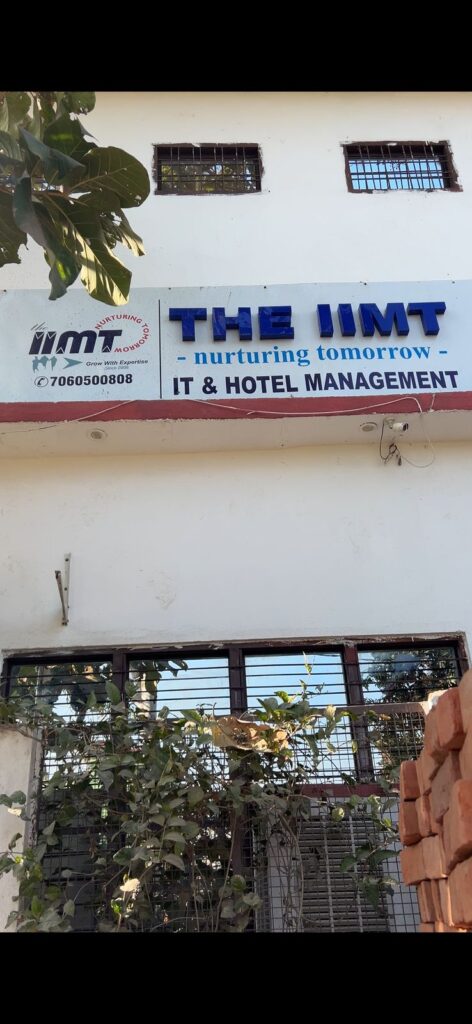
Latest Articles Home›Hotel Management›From IIMT to Global Careers: How Our Students Are… Hotel Management Quick Summary: From IIMT to global careers, our students are shaping the hospitality industry worldwide. With… By Kaushal Pandey•9 Feb 2025•3 min read HOME WHY IIMT COURSES Hotel Management Course IT Course for Hotel Management Advanced Diploma in Hotel Management CORPORATE BLOG ONLINE ENQUIRY CONTACT Quick Summary: From IIMT to global careers, our students are shaping the hospitality industry worldwide. With structured pathways to Dubai and cruise line options, IIMT Haldwani equips Kumaon students with the language and grooming skills needed to go global. From IIMT to Global Careers: How Our Students Are Shaping the Hotel Industry Worldwide The Hotel Management industry is booming, and IIMT is leading the way in preparing students for global careers. Our graduates have successfully landed jobs in top hotels and restaurants across the world. In this blog, we highlight their inspiring journeys and how IIMT helps students achieve international placements. Why IIMT is the Best Choice for Hotel Management? Industry-focused curriculum designed to meet global standards 100% placement assistance with international job opportunities Hands-on training with real-world exposure Internship programs in leading hotels and resorts How IIMT Prepares You for a Global Career? Internationally recognized training programs Dedicated career counseling and placement cell Expert faculty with real-world hospitality experience Affordable Fee Structure designed for students from modest backgrounds. Frequently Asked Questions Related Reading IIMT Haldwani — Hotel Management Courses, Fees, Placement and Reviews Sarthak Sir — Hotel Management Mentor, Educator and Career Guide IIMT Placement Record — Companies, Roles and Salaries K Written by Kaushal Pandey Performance Marketer & AI Content Creator Thinking about a career in hospitality? Talk to our admissions team about courses, fees and placements. Get in Touch → ← Back to All Articles The IIMT Institute of Hotel Management Haldwani is Uttarakhand’s premier hospitality institute offering BHM, Advanced Diploma & Skill Certificate programs with a 100% 5-star hotel placement record. ⭐ 4.9 / 5.0 Google Rating (550+ Reviews) QUICK LINKS Home About IIMT Admissions 2026 Course Catalog Placement Report Student FAQs OUR PROGRAMS Bachelor of Hotel Management (BHM) Advanced Diploma in Hotel Management IT Course for Hotel Management CAMPUS LOCATION 📍Harakpur Kuria, Kamaluwaganja Road, Kaladhungi Road, Haldwani, Uttarakhand 263139 📞+91 98979 53505 💬 Chat on WhatsApp © 2026 The IIMT Institute of Hotel Management, Haldwani. All Rights Reserved. | Privacy Policy | Terms & Conditions
Online or Regular Module in Hotel Management?
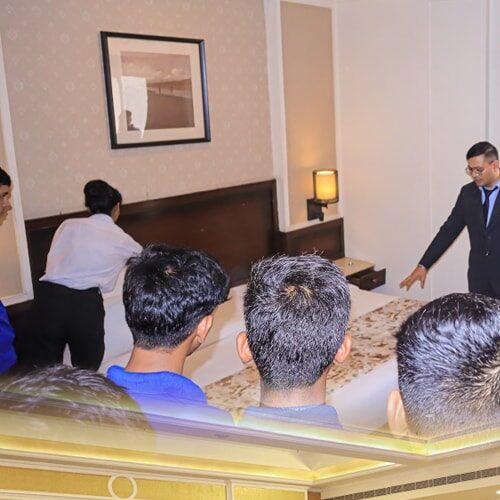
Latest Articles Home›Hotel Management›Online or Regular Module in Hotel Management? Hotel Management Quick Summary: Choosing between online or regular modules in hotel management is simple: hospitality is a physical,… By Kaushal Pandey•21 Dec 2024•3 min read HOME WHY IIMT COURSES Hotel Management Course IT Course for Hotel Management Advanced Diploma in Hotel Management CORPORATE BLOG ONLINE ENQUIRY CONTACT Quick Summary: Choosing between online or regular modules in hotel management is simple: hospitality is a physical, hand-on career. IIMT Haldwani’s regular classes provide daily kitchen practice, guest simulation, and direct mentor feedback. Online or Regular Module in Hotel Management? Hotel Management is a practical-based subject where success depends on a learner’s ability to balance classroom learning with hands-on training in labs or industry setups. Only those who gain this well-rounded exposure can grow into successful hoteliers. Courses that require practical training—like Medical, Engineering, and Hospitality—are challenging to execute online. A mere certificate holds little value if the learner has not been exposed to industrial equipment or real-world setups. Online Certifications: A Useful Addition Online certification courses can be valuable for specific operational modules or areas like safety and hygiene guidelines, such as HACCP. Particularly after COVID-19, opportunities for online certifications have significantly increased. These courses are especially useful for professionals already working in the hospitality sector who want to enhance their knowledge but may not have time for full-time programs. Should Freshers Choose Online Hotel Management Courses? For freshers planning to pursue an online-only Hotel Management course, experts generally do not recommend it. A hybrid module—combining theory sessions with practical exposure in live industry setups—proves far more beneficial. It allows learners to interact with real-time tools, equipment, and working environments, helping them develop essential skills for the industry. Frequently Asked Questions Related Reading IIMT Haldwani — Hotel Management Courses, Fees, Placement and Reviews Sarthak Sir — Hotel Management Mentor, Educator and Career Guide IIMT Placement Record — Companies, Roles and Salaries K Written by Kaushal Pandey Performance Marketer & AI Content Creator Thinking about a career in hospitality? Talk to our admissions team about courses, fees and placements. Get in Touch → ← Back to All Articles The IIMT Institute of Hotel Management Haldwani is Uttarakhand’s premier hospitality institute offering BHM, Advanced Diploma & Skill Certificate programs with a 100% 5-star hotel placement record. ⭐ 4.9 / 5.0 Google Rating (550+ Reviews) QUICK LINKS Home About IIMT Admissions 2026 Course Catalog Placement Report Student FAQs OUR PROGRAMS Bachelor of Hotel Management (BHM) Advanced Diploma in Hotel Management IT Course for Hotel Management CAMPUS LOCATION 📍Harakpur Kuria, Kamaluwaganja Road, Kaladhungi Road, Haldwani, Uttarakhand 263139 📞+91 98979 53505 💬 Chat on WhatsApp © 2026 The IIMT Institute of Hotel Management, Haldwani. All Rights Reserved. | Privacy Policy | Terms & Conditions
Hotel Management Education: An Exclusive Guide on Course Fee Structure
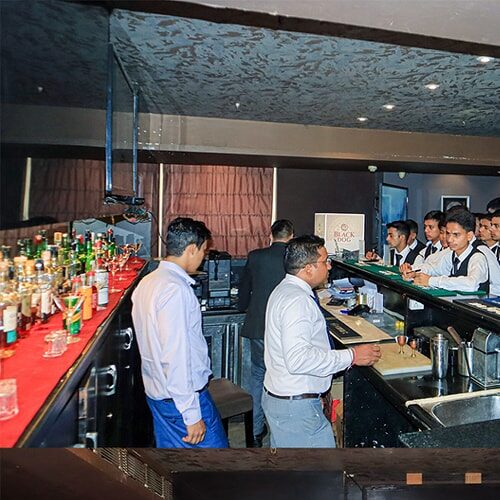
Latest Articles Home›Hotel Management›Hotel Management Education: An Exclusive Guide on… Hotel Management Quick Summary: Our exclusive guide on hotel management course fee structures covers everything parents need to know:… By Kaushal Pandey•17 Dec 2024•3 min read HOME WHY IIMT COURSES Hotel Management Course IT Course for Hotel Management Advanced Diploma in Hotel Management CORPORATE BLOG ONLINE ENQUIRY CONTACT Quick Summary: Our exclusive guide on hotel management course fee structures covers everything parents need to know: tuition brackets, accommodation options, and registration fees. Transparency helps families make informed career decisions. Hotel Management Course Fee Hotel Management offers a wide range of modules, from certificate to Diploma (one year), Advanced Diploma (2 years), and Degree programs (3-4 years). Understanding Fee Structures: Institutes actively conducting frequent practical training in Food Production, F&B Service, or Housekeeping typically charge higher fees. The presence of trained and experienced trainers at leading institutes also adds to the cost. Course duration directly impacts fees – the longer the course, the higher the investment. It’s worth noting that institutes lacking proper labs or certified trainers might charge lower fees, but learners often don’t benefit much from such experiences. Government Training Programs: Certificate modules might be available free of cost from some government training centers under schemes like PMKVY or DDUGKY. However, the quality and placement records of such centers aren’t exceptionally good, with only a few centers focusing on quality training. Course-wise Fee Structure for Hotel Management: Certificate Course: Duration: 6-12 months Fee Range: Rs. 40,000 to 80,000 Diploma/Advanced Diploma: Duration: 12-24 months Fee Range: Rs. 60,000 to 120,000 Degree Course: Duration: 3-4 years Fee Range: Rs. 90,000 to 150,000 annually Note: These fees exclude hostel accommodation, uniforms, and international exposure offered by some colleges. Spotlight on Quality Education: THE IIMT Institute of Hotel Management in Haldwani, Nainital, Uttarakhand, stands out by offering the most affordable modules in Hotel Management. Students receive rigorous hands-on training in well-equipped practical labs under experienced and qualified trainers. visit the website www.theiimt.com. Frequently Asked Questions Related Reading IIMT Haldwani — Hotel Management Courses, Fees, Placement and Reviews Sarthak Sir — Hotel Management Mentor, Educator and Career Guide IIMT Placement Record — Companies, Roles and Salaries K Written by Kaushal Pandey Performance Marketer & AI Content Creator Thinking about a career in hospitality? Talk to our admissions team about courses, fees and placements. Get in Touch → ← Back to All Articles The IIMT Institute of Hotel Management Haldwani is Uttarakhand’s premier hospitality institute offering BHM, Advanced Diploma & Skill Certificate programs with a 100% 5-star hotel placement record. ⭐ 4.9 / 5.0 Google Rating (550+ Reviews) QUICK LINKS Home About IIMT Admissions 2026 Course Catalog Placement Report Student FAQs OUR PROGRAMS Bachelor of Hotel Management (BHM) Advanced Diploma in Hotel Management IT Course for Hotel Management CAMPUS LOCATION 📍Harakpur Kuria, Kamaluwaganja Road, Kaladhungi Road, Haldwani, Uttarakhand 263139 📞+91 98979 53505 💬 Chat on WhatsApp © 2026 The IIMT Institute of Hotel Management, Haldwani. All Rights Reserved. | Privacy Policy | Terms & Conditions
Interview Preparation for a Hotel Job for Experienced Professionals

Latest Articles Home›Career›Interview Preparation for a Hotel Job for… Career Quick Summary: Interview preparation for experienced hospitality professionals requires a focus on operational… By Kaushal Pandey•4 Dec 2024•3 min read HOME WHY IIMT COURSES Hotel Management Course IT Course for Hotel Management Advanced Diploma in Hotel Management CORPORATE BLOG ONLINE ENQUIRY CONTACT Quick Summary: Interview preparation for experienced hospitality professionals requires a focus on operational leadership. IIMT’s mentoring network helps alumni build resumes, practice behavioral interview panels, and negotiate five-star salaries. An interview is like an opportunity to showcase the best version of yourself or, in other words, to advertise your best self to the employer or recruiter. Here are the best strategies to ace any interview: Master the Art of Storytelling: Prepare your best situation-based stories. For example, recall situations when you performed well and received appreciation from clients or seniors. Showcase Team Playing Skills: Highlight situations where you delivered the best quality work even during a shortage of teammates. Explain how you managed to accomplish the event and received excellent feedback from the client. Leadership in Achieving Sales Targets: Recall any situation where the sales target was achieved easily under your leadership. Document Positive Reviews: Make a list or document the positive reviews or feedback with your name. By preparing these points before facing any interview, you will boost your experience, and this confidence will reflect during that crucial moment. Like any other skill, interview skills can also be mastered. At THE IIMT Institute of Hotel Management, situated in Haldwani, Uttarakhand, the interview template designed by Mr. Sarthak Arora has transformed many dreams into reality. Frequently Asked Questions Related Reading IIMT Haldwani — Hotel Management Courses, Fees, Placement and Reviews Sarthak Sir — Hotel Management Mentor, Educator and Career Guide IIMT Placement Record — Companies, Roles and Salaries K Written by Kaushal Pandey Performance Marketer & AI Content Creator Thinking about a career in hospitality? Talk to our admissions team about courses, fees and placements. Get in Touch → ← Back to All Articles The IIMT Institute of Hotel Management Haldwani is Uttarakhand’s premier hospitality institute offering BHM, Advanced Diploma & Skill Certificate programs with a 100% 5-star hotel placement record. ⭐ 4.9 / 5.0 Google Rating (550+ Reviews) QUICK LINKS Home About IIMT Admissions 2026 Course Catalog Placement Report Student FAQs OUR PROGRAMS Bachelor of Hotel Management (BHM) Advanced Diploma in Hotel Management IT Course for Hotel Management CAMPUS LOCATION 📍Harakpur Kuria, Kamaluwaganja Road, Kaladhungi Road, Haldwani, Uttarakhand 263139 📞+91 98979 53505 💬 Chat on WhatsApp © 2026 The IIMT Institute of Hotel Management, Haldwani. All Rights Reserved. | Privacy Policy | Terms & Conditions